
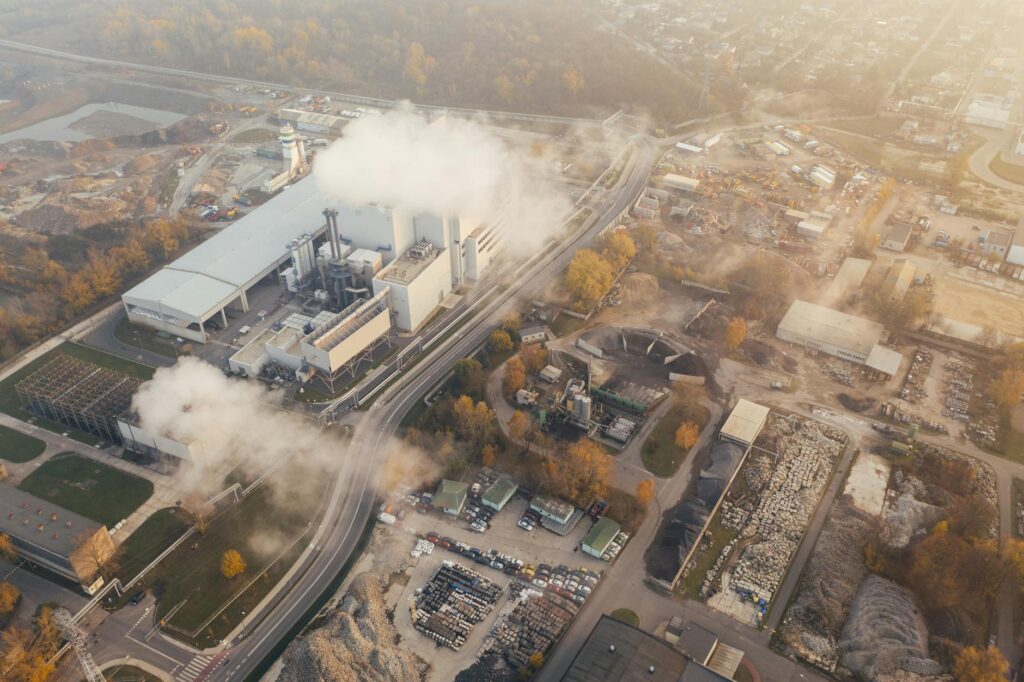

In a sweeping enforcement move, authorities in the National Capital Region (NCR) ordered the closure of 248 industrial units for deliberately evading electronic emission‑monitoring mandates. The crackdown, announced this week, underscores the growing pressure on polluting industries to adopt real‑time monitoring technologies mandated by the Central Pollution Control Board (CPCB). While the directive aims to curb air‑quality deterioration across Delhi, Gurgaon, Noida and surrounding districts, it also raises questions about the economic fallout for manufacturers and the workforce dependent on these facilities. This article unpacks the regulatory context, the scale of the action, its immediate repercussions, and what it signals for future compliance in India’s fast‑growing industrial belt.
Regulatory backdrop
The CPCB, in coordination with state pollution control boards, has mandated continuous emission‑monitoring systems (CEMS) for a defined list of high‑polluting industries. These electronic devices transmit real‑time data on pollutants such as SO₂, NOx, PM10 and carbon monoxide to a central dashboard, enabling swift corrective action. Non‑compliance is deemed a criminal offence under the Environment Protection Act, 1986. Over the past year, a series of audits revealed systematic tampering and outright shutdown of CEMS in several units, prompting the recent closure orders.
Scope of the crackdown
The enforcement drive targeted units across four major sectors:
| Sector | Units closed | Key pollutants |
|---|---|---|
| Metal processing | 92 | SO₂, PM2.5 |
| Chemical manufacturing | 61 | NOx, VOCs |
| Thermal power & cogeneration | 55 | CO₂, SO₂ |
| Other manufacturing (textiles, plastics) | 40 | PM10, VOCs |
All 248 units were found to have either disabled their CEMS or reported falsified data for periods extending up to 18 months. The order mandates immediate shutdown until the plants install compliant monitoring equipment and undergo a fresh audit.
Impact on industry and workers
While the environmental intent is clear, the abrupt closures have ripple effects on the regional economy. Industry associations estimate a potential loss of ₹1,200 crore in monthly output, and the Ministry of Labour warns that up to 12,000 workers could face temporary layoffs. Small‑scale units, which often lack the capital to procure advanced CEMS, are especially vulnerable. In response, several firms have pledged to upgrade their monitoring infrastructure, citing a willingness to “align with national clean‑air goals.”
Legal and environmental implications
The closure orders set a legal precedent for strict enforcement of electronic monitoring. Courts in Delhi have previously upheld penalties for non‑compliance, and the current action reinforces the judiciary’s stance that environmental safeguards cannot be sidestepped for profit. Environment NGOs, such as Greenpeace India, welcomed the move, noting that real‑time data is essential for tackling the region’s chronic smog episodes, which claim thousands of premature deaths annually.
Looking ahead
Authorities plan a phased re‑inspection schedule over the next six months, giving operators a clear timeline to install certified CEMS. The CPCB is also rolling out a subsidy scheme, covering up to 30% of the equipment cost for eligible small‑scale units. If successful, the initiative could become a model for other polluted corridors in India, balancing industrial growth with public‑health imperatives.
Conclusion
The shutdown of 248 NCR industrial units marks a decisive step toward stricter air‑quality governance in India. By enforcing electronic emission‑monitoring, regulators aim to close the data‑gap that has long hampered effective pollution control. While the immediate economic shock is palpable, the long‑term benefits—cleaner air, reduced health burdens, and a more accountable industrial sector—could outweigh short‑term losses. Continued collaboration between government, industry, and civil society will be crucial to ensure that compliance becomes the norm rather than the exception.
Image by: Marcin Jozwiak
https://www.pexels.com/@marcin-jozwiak-199600