
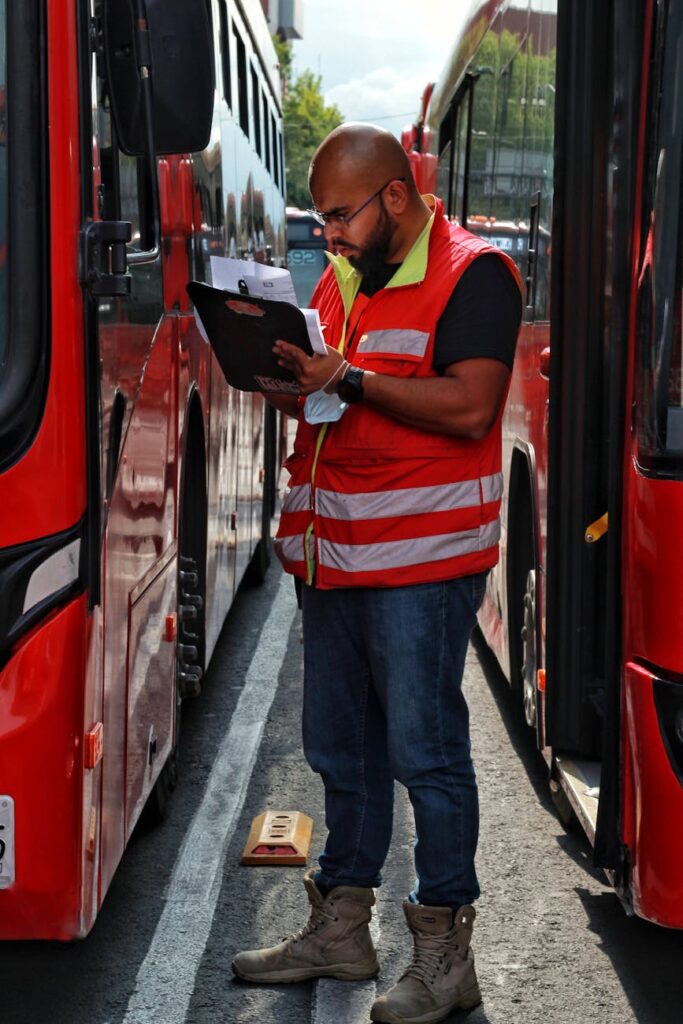

Union Minister Nitin Gadkari announced a comprehensive set of safety provisions aimed at curbing the alarming number of accidents involving sleeper buses across India. The move comes after a series of high‑profile crashes that claimed dozens of lives and sparked public outcry. In a press conference held in New Delhi, Gadkari outlined mandatory technical upgrades, stricter driver licensing norms, and a robust monitoring framework designed to make long‑distance night travel safer for passengers. This article delves into the background of the crisis, details the new rules, examines the rollout plan, and assesses the likely impact on the transport sector.
Background: rising sleeper‑bus incidents
Over the past three years, India has witnessed a steady increase in fatal accidents involving sleeper buses, especially on highways connecting major metros. According to the Ministry of Road Transport and Highways, the number of such incidents rose from 1,842 in 2022 to 2,307 in 2024, with a fatality count crossing the 2,100 mark in 2024 alone. The surge is attributed to factors such as driver fatigue, overloaded vehicles, and inadequate safety equipment.
| Year | Accidents | Fatalities |
|---|---|---|
| 2022 | 1,842 | 1,678 |
| 2023 | 2,089 | 1,945 |
| 2024 | 2,307 | 2,112 |
| 2025 (till Dec) | 2,415 | 2,210 |
These figures underscore the urgency of a policy overhaul. The new provisions aim to address the root causes rather than merely penalising post‑incident violations.
Key provisions unveiled by Gadkari
The minister introduced several mandatory measures:
- Electronic Stability Control (ESC) – All sleeper buses above 12 seats must be equipped with ESC to reduce skidding.
- Driver fatigue monitoring – Installation of biometric or camera‑based systems that alert drivers after 4 consecutive hours of driving.
- Seat‑belt requirement – Every sleeper berth will now have a seat‑belt, with compliance checks at state transport offices.
- Enhanced licensing – A separate “Sleeper Bus” endorsement, requiring a minimum of 5 years’ experience and a night‑driving test.
- Real‑time GPS tracking – Mandatory telematics devices linked to a central dashboard monitored by the Ministry.
These provisions are anchored in the Road Transport and Infrastructure framework and will be enforced through a phased rollout.
Implementation roadmap and enforcement
Gadkari outlined a three‑year timeline:
- 2026–2027: Certification of existing fleets; retrofitting of ESC and seat‑belts for buses older than five years.
- 2027–2028: Full compliance for new registrations; mandatory driver endorsement exams.
- 2028 onward: Continuous monitoring via GPS; penalties for non‑compliance ranging from fines to suspension of permits.
State transport authorities will receive a dedicated budget of ₹1,200 crore to support retrofitting and training programs. The Ministry will also set up a National Sleeper Bus Safety Cell to coordinate inspections and data analytics.
Expected impact and industry response
Industry bodies, including the Tata Motors commercial vehicle division, have welcomed the reforms, noting that “technology‑driven safety is the future of long‑haul travel.” Analysts project a 30% reduction in sleeper‑bus fatalities within five years, based on comparable interventions in Europe.
However, smaller operators have raised concerns about the cost of retrofitting older buses. The government’s subsidy scheme aims to offset up to 50% of the retrofit expense, a move that is expected to ease financial strain and accelerate adoption.
Conclusion
The new safety provisions championed by Union Minister Nitin Gadkari represent a decisive step toward curbing the tragic trend of sleeper‑bus accidents in India. By mandating advanced vehicle controls, rigorous driver standards, and real‑time monitoring, the policy addresses both technological gaps and human factors. While implementation challenges remain, especially for smaller operators, the structured rollout and financial incentives promise a measurable decline in road fatalities. If executed effectively, these measures could set a benchmark for transport safety not only in India but across emerging economies.
Image by: León Ramisan
https://www.pexels.com/@leon-ramisan-241204149